My career began at the Tournament Players Club at Sawgrass where I had the opportunity to be closely involved with The Players Championship and interact with many of the top professionals in the game.
I spent a full year playing the mini-tours, qualifiers for Korn Ferry Tour events and PGA TOUR Q school, with very little success.
Fortunately, that year revealed what would ultimately become my career path. Better players trusted me when they needed help because I could relate to what they were thinking and feeling. It was easier forme to communicate with them because I had been inside the ropes with other players. That connection helped them to play better and me to find my own passion.
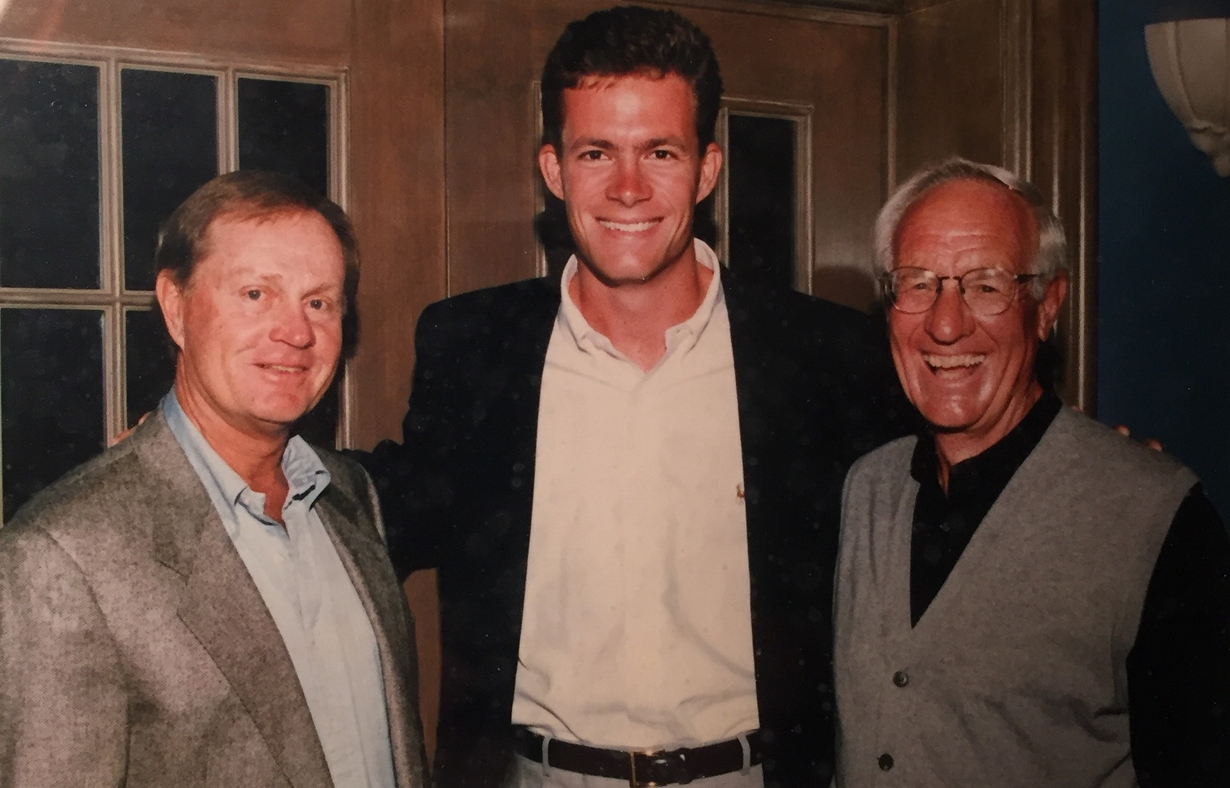
Along the way, mentors including PGA TOUR Commissioner Deane Beman and Hall of Fame instructors Jack Lumpkin, Jim Flick, and Eddie Merrins invested countless hours in my development.
Commissioner Beman believed deeply in the member experience and understood that great golf begins with great facilities, conditioning, and instruction. His vision helped shape modern golf at the highest level.
Jack Lumpkin, the longtime Hall of Fame instructor from Sea Island, often reminded me that “the best-selling ice cream flavor is plain vanilla.” He believed teaching trends would always come and go, but solid fundamentals would never lose their value.
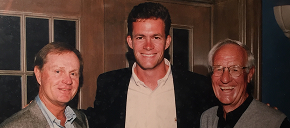
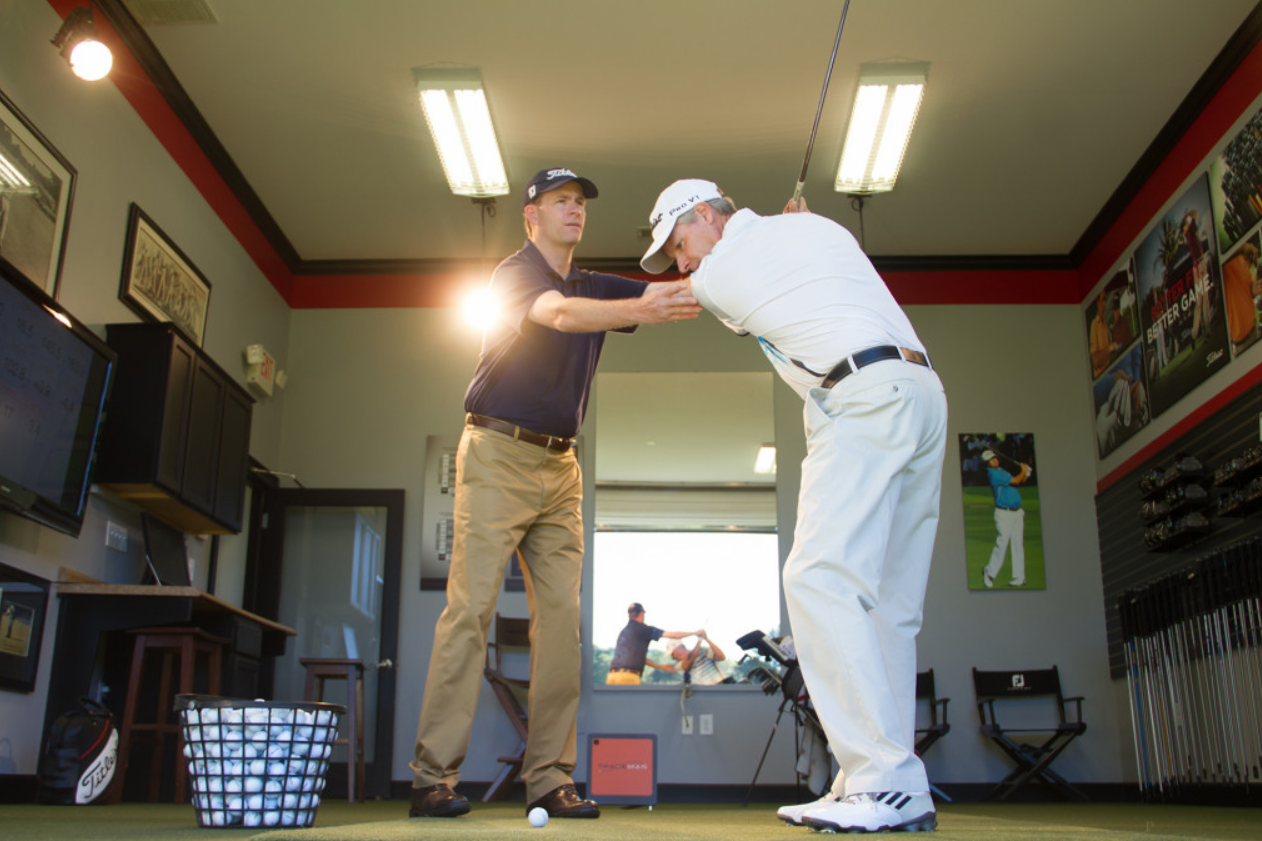
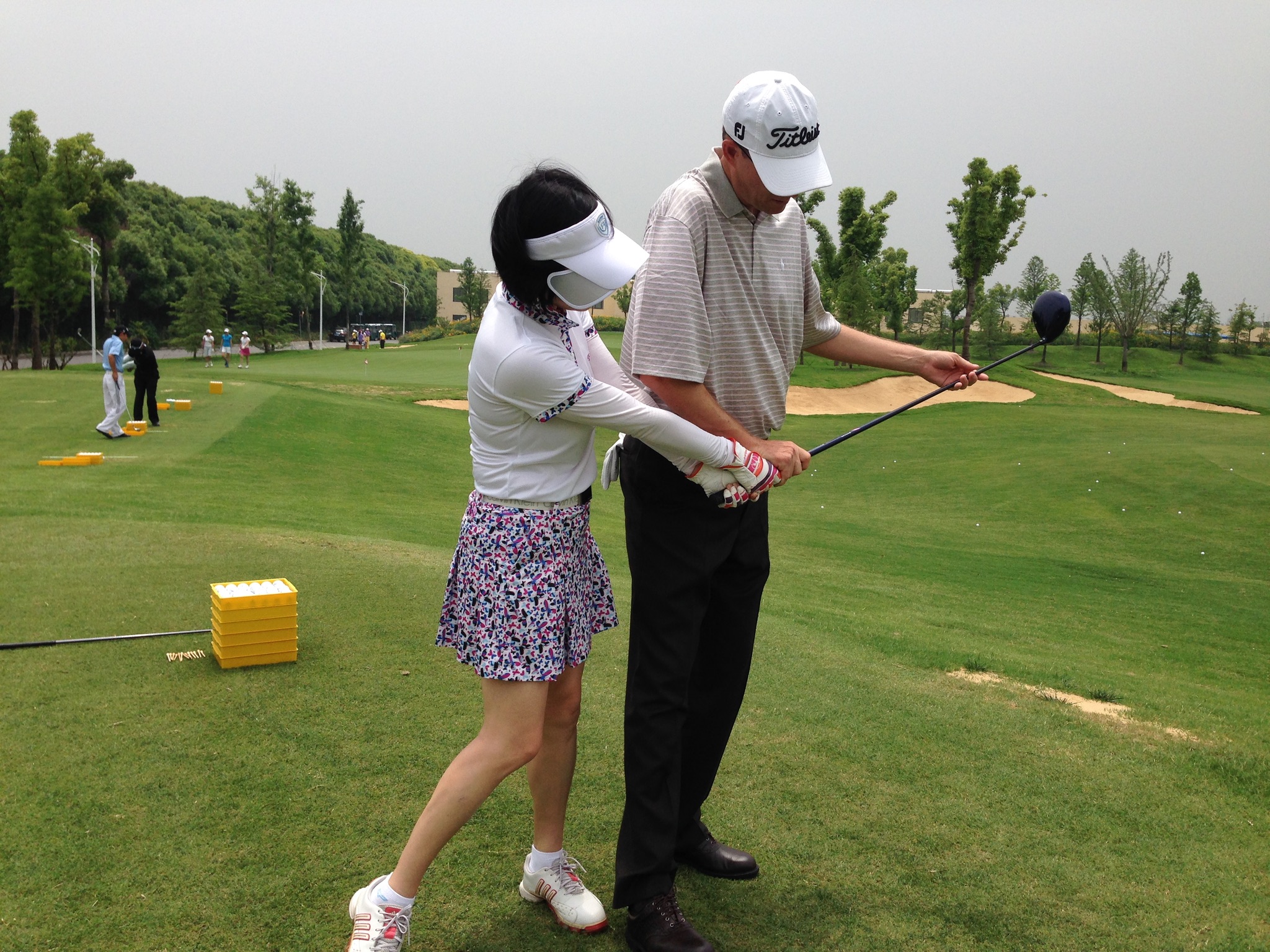
Jim Flick emphasized the importance of the hands, wrists, and arms in developing a natural golf swing. One of his favorite sayings was, “Grip the club with fingers secure and hands, wrists, and forearms soft and relaxed—there is no need to commit an act of violence.”
Eddie Merrins taught me the difference between teaching golf and coaching people. A close friend of legendary UCLA basketball coach John Wooden, he believed preparation, discipline, and process mattered more than results alone.
Lumpkin once told me, “It is our teaching philosophy and the manner in which we communicate that makes us original.”
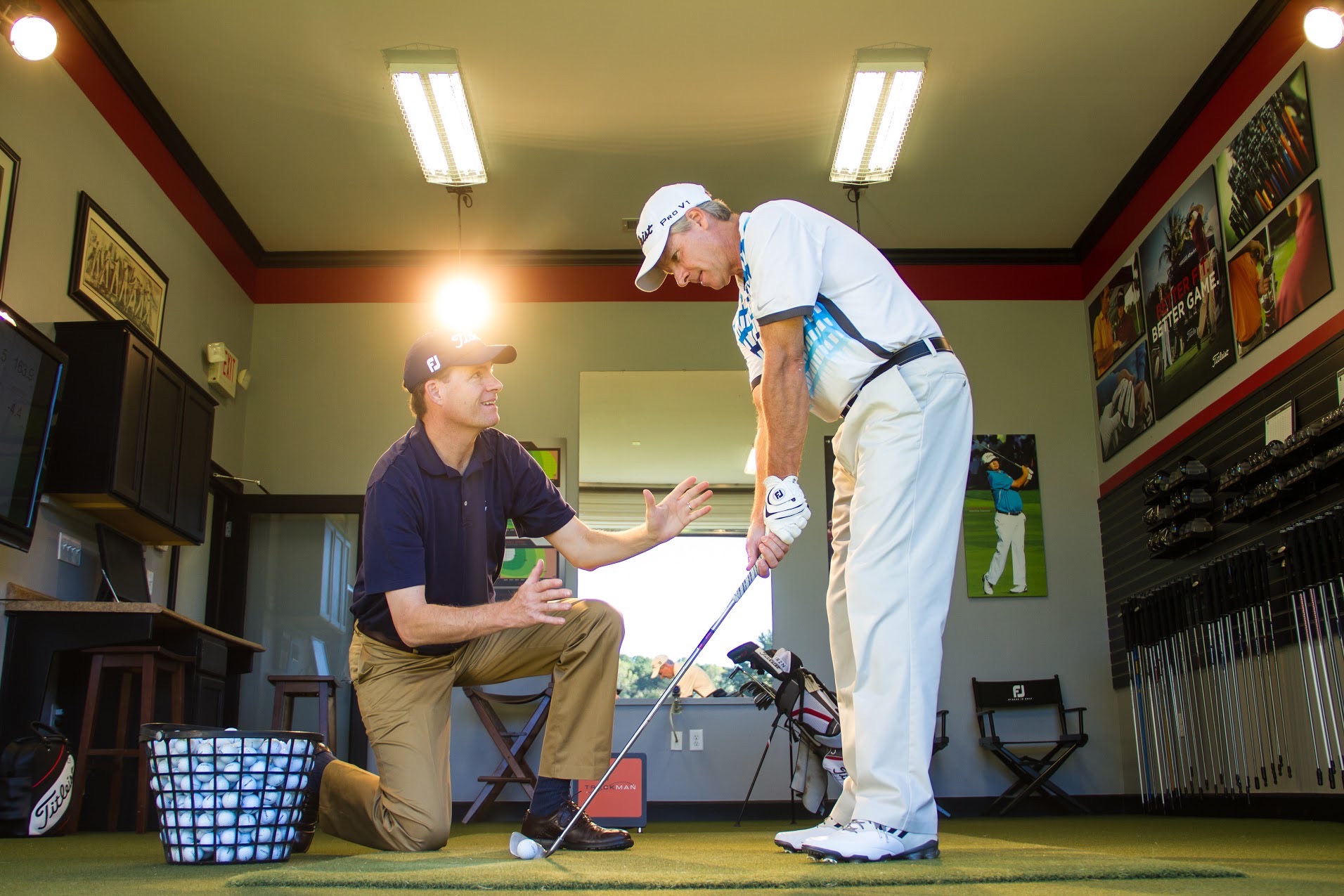
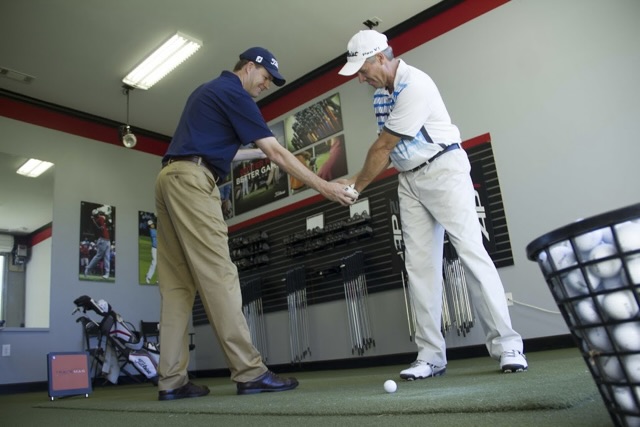
My philosophy is rooted in sound fundamentals, clear communication, and building trust with the student. The first priority is establishing consistent, solid contact with a square clubface because solid contact builds confidence. Just as importantly, I work to form a genuine connection early on so communication becomes comfortable and productive.
I have always believed instructors are ultimately evaluated by their students’ scores and enjoyment of the game. Improvement requires accountability from both teacher and student. The student must commit to the work, and the teacher must provide a clear path forward. When that trust and commitment exist together, lower scores inevitably follow.
My career began at the Tournament Players Club at Sawgrass where I had the opportunity to be closely involved with The Players Championship and interact with many of the top professionals in the game.
I spent a full year playing the mini-tours, qualifiers for Korn Ferry Tour events and PGA TOUR Q school, with very little success.
Fortunately, that year revealed what would ultimately become my career path. Better players trusted me when they needed help because I could relate to what they were thinking and feeling. It was easier forme to communicate with them because I had been inside the ropes with other players. That connection helped them to play better and me to find my own passion.
Along the way, mentors including PGA TOUR Commissioner Deane Beman and Hall of Fame instructors Jack Lumpkin, Jim Flick, and Eddie Merrins invested countless hours in my development.
Commissioner Beman believed deeply in the member experience and understood that great golf begins with great facilities, conditioning, and instruction. His vision helped shape modern golf at the highest level.
Jack Lumpkin, the longtime Hall of Fame instructor from Sea Island, often reminded me that “the best-selling ice cream flavor is plain vanilla.” He believed teaching trends would always come and go, but solid fundamentals would never lose their value.
Jim Flick emphasized the importance of the hands, wrists, and arms in developing a natural golf swing. One of his favorite sayings was, “Grip the club with fingers secure and hands, wrists, and forearms soft and relaxed—there is no need to commit an act of violence.”
Eddie Merrins taught me the difference between teaching golf and coaching people. A close friend of legendary UCLA basketball coach John Wooden, he believed preparation, discipline, and process mattered more than results alone.
Lumpkin once told me, “It is our teaching philosophy and the manner in which we communicate that makes us original.”
My philosophy is rooted in sound fundamentals, clear communication, and building trust with the student. The first priority is establishing consistent, solid contact with a square clubface because solid contact builds confidence. Just as importantly, I work to form a genuine connection early on so communication becomes comfortable and productive.
I have always believed instructors are ultimately evaluated by their students’ scores and enjoyment of the game. Improvement requires accountability from both teacher and student. The student must commit to the work, and the teacher must provide a clear path forward. When that trust and commitment exist together, lower scores inevitably follow.